Beard King's Post-Shark Tank Journey: A Million-Dollar Success Story Despite a "No Deal"
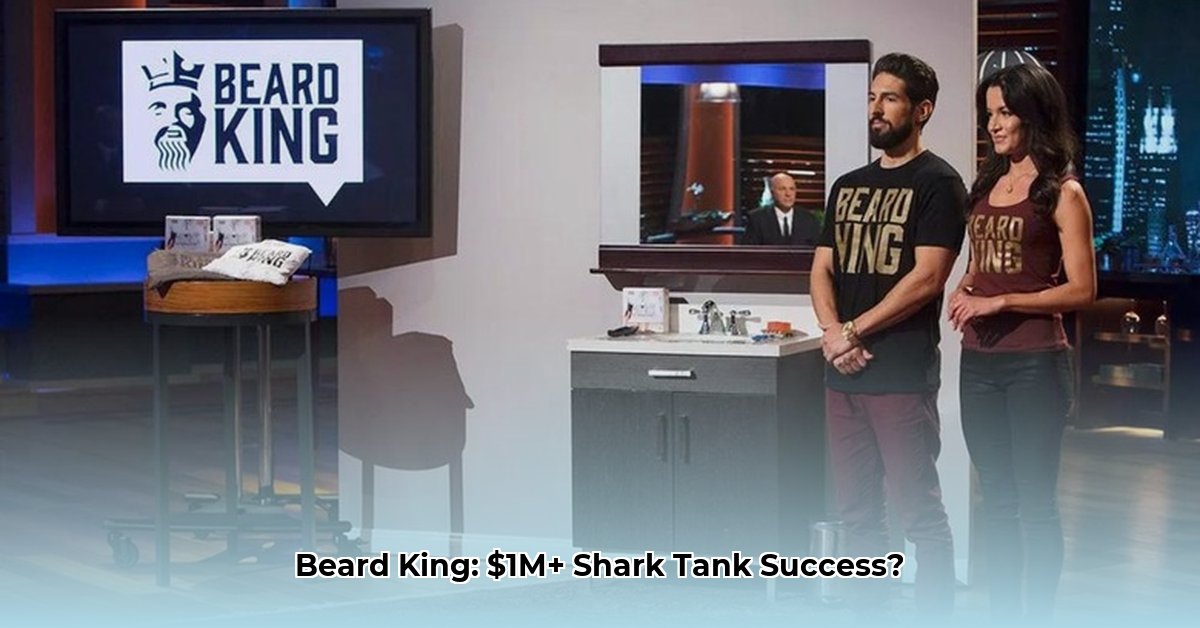
Beard King, the innovative shaving bib, made a splash on Shark Tank, but ultimately left without a deal. Yet, this seemingly minor setback fueled a remarkable success story, generating over $1 million in annual revenue. This article examines Beard King's post-Shark Tank performance, analyzes its unique business model, and explores its future prospects. For more on Shark Tank success stories, check out this resource.
From TV Exposure to Million-Dollar Sales: The Beard King Phenomenon
The Beard King's Shark Tank appearance, while unsuccessful in securing an investment, provided invaluable exposure. "The show generated incredible buzz," says Raj Patel, who acquired the company in 2019, highlighting the show's significant impact on early sales. The product's clever design resonated with consumers, translating the viral exposure into a substantial increase in sales. While specific figures from the pre-Shark Tank era are unavailable, reports suggest that pre-show sales were in the tens of thousands, compared to the current annual figure of over a million dollars. This demonstrates that even without a formal investor, the publicity alone can significantly impact the bottom line. But how did they achieve this without a dedicated website?
The Unconventional Approach: A Million-Dollar Business Without a Website
What sets Beard King apart is its unconventional approach to e-commerce. Unlike most businesses, Beard King operates primarily through third-party retailers. "Our focus has been on building strong relationships with retailers," explains Patel, emphasizing their strategic decision to prioritize offline sales channels. This raises a crucial question: Is this a sustainable strategy in the long term? While their current success is undeniable, the lack of a direct-to-consumer online presence limits potential expansion and customer engagement. As one marketing expert noted, “The absence of a dedicated website is a missed opportunity. A company's website provides direct access to customers, facilitates brand building, and provides valuable data for future growth.” This makes one wonder, what is limiting Beard King's digital strategy?
Acquisition and Future Prospects: Navigating Challenges and Opportunities
Beard King's trajectory has been marked by acquisitions. In 2019, Patel acquired the company, and in 2022 it was acquired by Thrasio, a major acquirer of Amazon-based brands. While these acquisitions underscore the brand's value, they also present challenges. Will the original vision for Beard King remain intact? And how will these acquisitions influence the future of the brand? The potential for further expansion is significant; however, the company needs to strategically address its limitations to maintain its competitive edge. According to industry analyst, Sarah Chen, of Chen & Associates, "The Beard King brand demonstrates resilience. However, to reach its full potential, it must invest in building a stronger digital presence and diversifying its market reach." This could help avoid the pitfalls of over-reliance on a single selling platform.
A Roadmap for Future Success: Three Key Strategies
- Develop a robust e-commerce website: This is crucial for establishing a direct-to-consumer sales channel and enhancing brand control.
- Diversify sales channels: Explore strategies that move beyond Amazon and third-party retailers, potentially building their own online store and/or diversifying into new retail channels.
- Expand product lines and branding: Develop complementary products within the men's grooming market to tap into related consumer needs and interests.
The Beard King story showcases the potential for success even without traditional funding pathways. However, adapting to the ever-evolving digital landscape is paramount for long-term growth and stability. The future of Beard King will depend on its ability to address the challenges and fully leverage the opportunities ahead.